Field Application Scientist
$115,038 (AUD)/yr
$55.31 (AUD)/hr
$4,153 (AUD)/yr
The average field application scientist gross salary in Melbourne, Australia is $115,038 or an equivalent hourly rate of $55. This is 2% higher (+$1,996) than the average field application scientist salary in Australia. In addition, they earn an average bonus of $4,153. Salary estimates based on salary survey data collected directly from employers and anonymous employees in Melbourne, Australia. An entry level field application scientist (1-3 years of experience) earns an average salary of $80,531. On the other end, a senior level field application scientist (8+ years of experience) earns an average salary of $131,307.
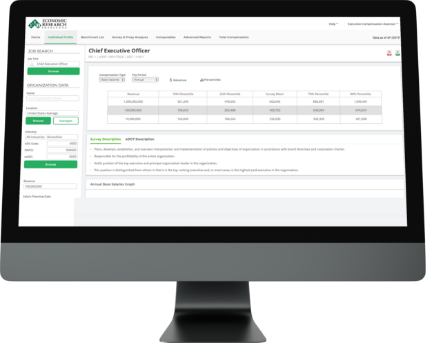
DO YOU WORK IN HR OR COMPENSATION?
Try our professional compensation
software to generate detailed salary
and cost of living reports.
$131,729 (AUD)
15 %
Based on our compensation data, the estimated salary potential for Field Application Scientist will increase 15 % over 5 years.
This chart displays the highest level of education for:
Field Application Scientist, the majority at 100% with bachelors.
Typical Field of Study: Mechanical Engineering
See how education can impact your salaryThe cost of living in Melbourne, Australia is 14% more than the average cost of living in Australia. Cost of living is calculated based on accumulating the cost of food, transportation, health services, rent, utilities, taxes, and miscellaneous.
View Cost of Living PageMelbourne ( MEL-bərn, locally [ˈmæɫbən] ; Boonwurrung/Woiwurrung: Narrm or Naarm) is the capital and most populous city of the Australian state of Victoria, and the second most-populous city in Australia. The city's name generally refers to a 9,993-square-kilometre (3,858 sq mi) area, comprising an urban agglomeration of 31 local government areas. The name is also used to specifically refer to the local government area named City of Melbourne, whose area is centred on the Melbourne central busin
Sourced from WikipediaERI's compensation data are based on salary surveys conducted and researched by ERI. Cost of labor data in the Assessor Series are based on actual housing sales data from commercially available sources, plus rental rates, gasoline prices, consumables, medical care premium costs, property taxes, effective income tax rates, etc.

Learn About Our Products
How Much Should You Be Paid?