Data Analytics Engineer
₱840,499 (PHP)/yr
₱404.09 (PHP)/hr
₱24,038 (PHP)/yr
The average data analytics engineer gross salary in Caloocan, Philippines is ₱840,499 or an equivalent hourly rate of ₱404. This is 3% lower (-₱30,482) than the average data analytics engineer salary in Philippines. In addition, they earn an average bonus of ₱24,038. Salary estimates based on salary survey data collected directly from employers and anonymous employees in Caloocan, Philippines. An entry level data analytics engineer (1-3 years of experience) earns an average salary of ₱601,104. On the other end, a senior level data analytics engineer (8+ years of experience) earns an average salary of ₱968,058.
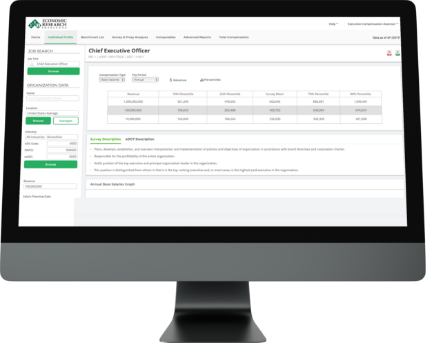
DO YOU WORK IN HR OR COMPENSATION?
Try our professional compensation
software to generate detailed salary
and cost of living reports.
₱947,010 (PHP)
13 %
Based on our compensation data, the estimated salary potential for Data Analytics Engineer will increase 13 % over 5 years.
This chart displays the highest level of education for:
Data Analytics Engineer, the majority at 100% with bachelors.
Typical Field of Study: Data Modeling/Warehousing and Database Administration
See how education can impact your salary- SQL Certification
- Pega Certified Data Scientist (PCDS)
The cost of living in Caloocan, Philippines is 3% more than the average cost of living in Philippines. Cost of living is calculated based on accumulating the cost of food, transportation, health services, rent, utilities, taxes, and miscellaneous.
View Cost of Living PageCaloocan, officially the City of Caloocan (Filipino: Lungsod ng Caloocan; IPA: [kalɔˈʔokan]), is a city in Metro Manila, Philippines. According to the 2024 census, it has a population of 1,712,945 people, making it the fourth-most populous city in the Philippines. Caloocan is divided into two geographical locations with a total combined area of 5,333.40 hectares (13,179.1 acres), a result of the 1949 expansion of Quezon City, which absorbed much of its territory. It was formerly part of the Prov
Sourced from WikipediaERI's compensation data are based on salary surveys conducted and researched by ERI. Cost of labor data in the Assessor Series are based on actual housing sales data from commercially available sources, plus rental rates, gasoline prices, consumables, medical care premium costs, property taxes, effective income tax rates, etc.

Learn About Our Products
How Much Should You Be Paid?